
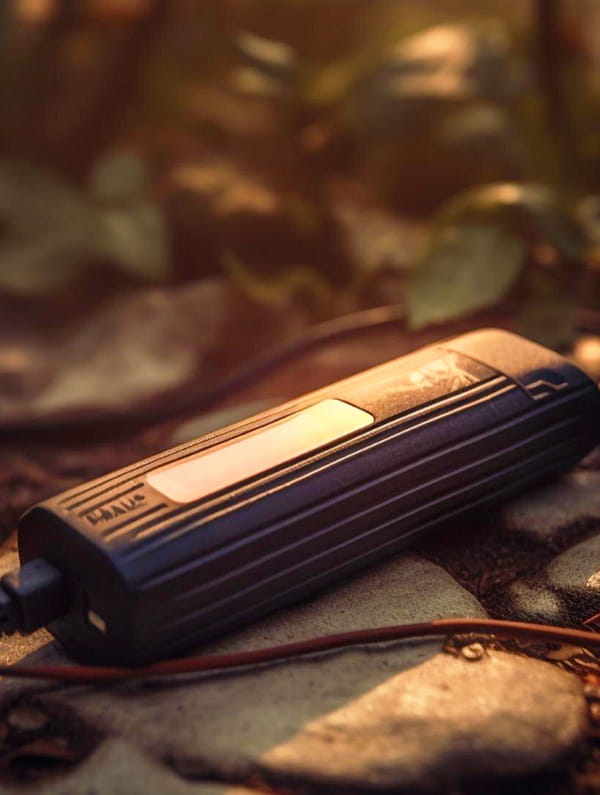
Shared Power Bank
A textbook example of the sharing economy: cabinet-style rental stations placed in malls, restaurants, cinemas and transport hubs let people scan a code, take a power bank and return it at any other station in the network. Every session is metered by the minute, with deposits or credit checks handled entirely through the app.
Solution overview
We designed the smart cabinet hardware, the cloud dispatch platform and the mobile front-end together so the whole loop — locate a station, unlock a battery, charge, return, pay — feels effortless. Cabinets self-diagnose faults and report state of charge in real time.
Operator dashboard
Franchise partners see live occupancy, revenue and hardware health per site, and can push firmware updates or price changes from one console. Analytics flag under-performing locations so the fleet keeps moving.
Outcomes
The rollout hit reliable 99%+ station uptime, cut manual maintenance visits and gave venues a low-touch amenity that increases dwell time without adding staff workload.
Have a similar project in mind?
Let's talk about what you want to build — we'll come back with a plan and a quote.