In today’s society, the importance of sewage treatment is self-evident. It is not only related to the protection of the ecological environment but also a key link in sustainable development. Whether it is a sewage treatment plant in an urban or rural area, after it is built and stably operated, daily inspection becomes the core task of on-site management. However, due to its process characteristics, sewage treatment has problems such as numerous equipment, variable influent water quality, and lengthy treatment processes. This makes the staff face a huge workload when checking equipment operation, mechanical lubrication, control system status, sewage biochemical treatment process, and effluent water quality. In addition, sewage treatment sites are widely distributed and numerous, and manual inspection tasks are arduous and costly.
In order to effectively solve these problems, a system with online monitoring of equipment operation status and automatic control of equipment start and stop functions came into being, which is the sewage treatment remote monitoring system. This system is of great significance for saving equipment energy consumption, reducing manpower operation and maintenance costs, and improving the operation and management level of sewage stations. It is also the core support for realising intelligent operation and management modes.
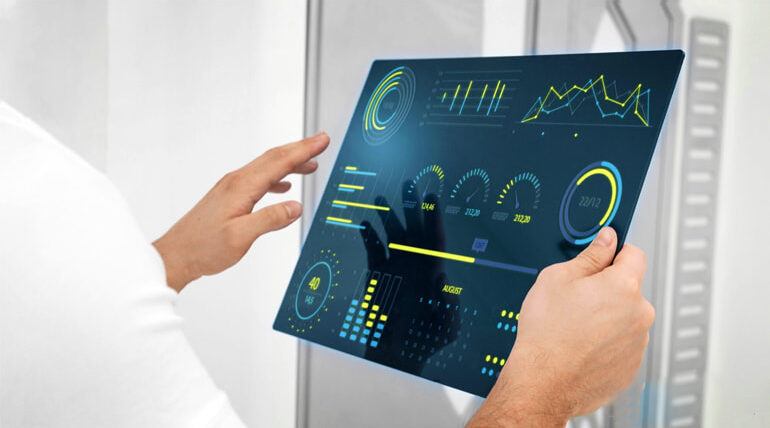
The sewage treatment remote monitoring system lays a solid foundation for establishing an intelligent operation and management model by realizing functions such as real-time monitoring of equipment conditions, flexible equipment control, accurate early warning alarms, convenient visual reports, and efficient remote maintenance.
With the continuous advancement of technology and the in-depth promotion of its application, this system will play an increasingly important role in the field of sewage treatment, helping the sewage treatment industry to achieve efficient, green and sustainable development.