


New Zealand is paving the way for the next generation by overhauling its senior secondary school curriculum to focus on technology, artificial intelligence (AI), and STEM (Science, Technology, Engineering, and Mathematics) skills. This bold initiative aims to equip students with the tools they need for successful futures, whether in higher education, vocational training, or entering the workforce directly.
Education Minister Erica Stanford outlined the goal of these changes: to ensure that students graduate with relevant, future-focused knowledge and skills. The updated curriculum for Years 11-13 emphasises flexibility, offering a broad range of pathways that align with the emerging demands of the global job market.
With the growing importance of STEM in almost every field, the new curriculum will offer students the chance to specialise in subjects such as Statistics and Data Science, Electronics and Mechatronics, and Advanced Mathematics. These subjects aim to foster analytical thinking, problem-solving abilities, and technological proficiency—skills increasingly sought after by industries worldwide.
The rise of AI technology has been a key consideration in the curriculum refresh, with AI literacy now being integrated across various subjects. Students will not only learn to use generative AI tools but also gain insights into the ethical considerations and potential consequences of AI advancements. Areas of focus will include machine learning, digital systems, cybersecurity, and digital ethics, ensuring students are not only proficient in using AI but also equipped to engage with the technology critically and responsibly.
In a move to deepen students’ understanding, the Ministry of Education is also exploring the introduction of a specialised Year 13 subject dedicated entirely to Generative AI. This subject will give senior students the chance to explore AI technologies in depth, examining both their theoretical underpinnings and real-world applications.
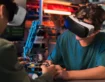
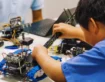
Beyond technical skills, the updated curriculum fosters creativity and innovation. New subjects like Music Technology will combine digital tools with artistic expression, while industry-specific courses in fields such as electronics and engineering will provide students with hands-on experience that mirrors real-world professional environments.
Collaborative projects, coding challenges, and problem-solving activities will also be a core part of the learning experience, ensuring students gain practical exposure to advanced technologies before they pursue further studies or enter the workforce. This hands-on approach ensures students are prepared for the technological demands they will face in the workplace.
Minister Stanford emphasised that the overarching aim of the curriculum revamp is to create clear, purposeful pathways from school into further study, training, or employment, aligning students’ education with the evolving demands of the modern world.
To support this transition, schools will be provided with a comprehensive implementation package, which includes professional development for educators, Curriculum Days, ready-to-use classroom resources, and expert guidance. These resources will be available well in advance of the phased introduction of the new subjects in 2028.
“These updated subjects will offer students meaningful choices, specialised pathways, and the skills they need to excel in a technology-driven future,” Minister Stanford said. “By embedding AI and technology across the curriculum, we will ensure that students not only have the knowledge but also the confidence to succeed in the workforce, keeping New Zealand competitive on the global stage.”
Through this initiative, New Zealand is positioning itself as a leader in preparing students for a future in which technology and AI will play a central role in nearly every industry. By equipping students with the right blend of technical knowledge, ethical awareness, and practical skills, the country is ensuring that its youth are well-prepared to navigate and shape the ever-evolving technological landscape.